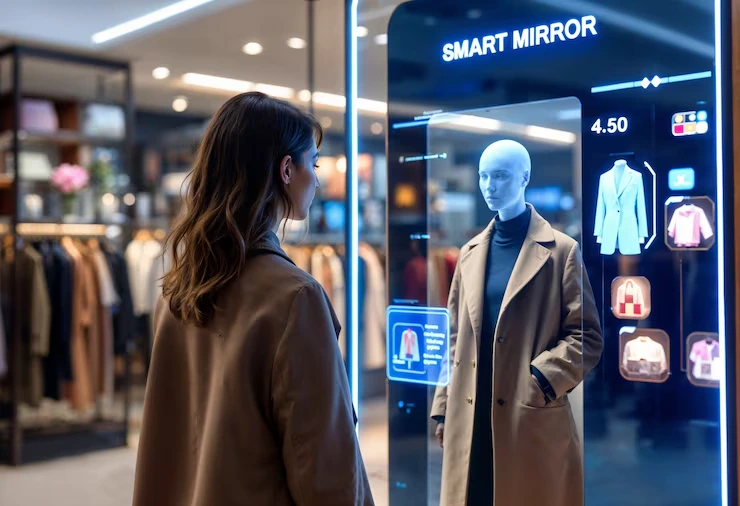
Artificial Intelligence is no longer just a futuristic concept; it is now fundamentally changing the UK events industry in 2025. In an environment shaped by post-Brexit economic shifts and ongoing digital transformation, AI has emerged not merely as a supplementary tool but as a critical driver of innovation. From large-scale exhibitions at London’s Olympia to regional hybrid conferences in Bristol and Glasgow, AI is redefining how events are planned, delivered, and evaluated. This shift is data-backed and industry-wide. Recent data from the UK Events Intelligence Council shows that 41 percent of UK event professionals have integrated AI systems into their operational and strategic frameworks. The shift is motivated by the need for cost efficiency, improved engagement, real-time insights, and measurable results. As technology becomes more accessible, AI is increasingly viewed as essential for those seeking to remain competitive in an evolving marketplace. How AI Is Reshaping Event Planning and Attendee Experience AI has reached far beyond automation. It is now embedded in the decision-making process across all aspects of event planning, from logistics to audience engagement and from security protocols to sustainability initiatives. Improving Operational Efficiency AI tools are now central to managing pre-event logistics. For example, predictive models are being used by 68 percent of UK-based B2B conference planners to anticipate footfall, allocate space, and simplify on-site resources. These tools analyse trends from previous events, social media traction, and ticket purchase timing. AI-led facial recognition systems can now process check-ins 85 percent faster than traditional badge systems, reducing entry queues and supporting real-time attendance data collection. This is especially effective at high-traffic venues like the Birmingham NEC. Moreover, automated resource allocation algorithms are now being used to direct staff placement, monitor traffic flow, and send alerts to planners when certain areas become overcrowded or underutilised. Improving Attendee Engagement Through Personalisation AI technologies have brought in new levels of personalisation. By collecting and analysing data such as session selections, app usage, and even social media behaviour, AI platforms recommend agendas customised to individual preferences. According to EventTech UK, personalised session recommendations increased attendee satisfaction by 37 percent at major 2025 events compared to generic schedules. Interactive AI assistants also increase engagement. These tools offer real-time content suggestions, answer FAQs, and notify attendees about ongoing or upcoming sessions relevant to their profile. As a result, dwell time per attendee has increased significantly at most events adopting such technologies. Key Roles AI Is Playing in Event Planning AI’s role in UK event management is no longer confined to behind-the-scenes analytics. It is central to every major task, including communication, planning, and outcome evaluation. Virtual Assistants and Chatbots Chatbots now handle over 60 percent of all attendee inquiries before and during events in the UK. Their use has reduced average email response time from hours to seconds. These systems now support more than 25 languages, making UK-based international events more accessible and inclusive. In the past year alone, AI chatbots deployed at London’s Business Design Centre saved organisers an estimated £120,000 in customer service costs, according to an internal industry benchmark report. Predictive Analytics for Logistics and Demand Forecasting Predictive analytics are used to estimate session popularity, likely no-show rates, and even real-time catering demand. At the 2025 Digital Commerce Expo, AI models helped reduce food waste by 49 percent through accurate headcount forecasting and session-level engagement predictions. These tools also support capacity planning. For example, by forecasting a higher-than-average interest in keynote sessions, planners at the same expo increased capacity in real time by reallocating breakout spaces, avoiding attendee overflow and complaints. Facial Recognition for Security and Check-In Facial recognition technology has been adopted at 28 percent of events retained in venues with over 5000 attendees. The technology enables fast and secure access to restricted zones, verifies identity without requiring physical credentials, and integrates directly with CRM systems to record entry data. It also assists with contactless health screening, a feature especially valued in health-focused conferences and during flu seasons. Personalised Recommendations and Scheduling AI tools are able to curate experiences in real time. In hybrid events, systems now customise digital content feeds based on past viewing patterns and participant interaction. At recent events in Edinburgh and Leeds, this feature helped increase session viewership duration by 42 percent for virtual participants. Additionally, personalised itineraries are shown to improve session attendance consistency, reduce overlap in interests, and increase networking efficiency. Post-Event Data and Reporting Event organisers increasingly rely on AI-generated reports to evaluate success. These reports track conversion funnels, click-through rates, dwell time at sponsor booths, and attendee retention metrics. AI-based reporting has decreased manual post-event analysis time by an average of 73 percent, enabling faster feedback cycles and more agile planning for future events. AI-Led Strategies for Smarter Event Management The most successful events in the UK in 2025 are not merely those with the largest budgets but those using AI most strategically. Below are key strategies shaping industry best practices. Hyper-Personalised Communication Across Channels Rather than using broad marketing approaches, AI now enables micro-segmentation of audiences. For example, a user identified as an early-career professional in finance might receive updates on fintech panels, mentoring sessions, and networking meetups. AI customises push notifications, email campaigns, and even the order of content on mobile apps. Over 70 percent of attendees report feeling more valued when events use personalised communication, according to a 2025 attendee sentiment study. Real-Time Behavioural Monitoring and Decision-Making AI monitors movement across event spaces to detect congestion, disengagement, or underutilisation. This information can be visualised on a live dashboard, prompting instant action from organisers. For example, in a recent Newcastle-based climate summit, organisers used real-time AI feedback to reroute attendees to underused booths and breakout rooms, leading to a 12 percent increase in total exhibitor engagement by the end of the event. Intelligent Networking and Smart Matchmaking AI is redefining how professionals connect. Networking platforms use data such as professional interests, prior interactions, and meeting goals to recommend meaningful connections. In hybrid environments, these tools also manage time zone compatibility and availability. According to data from Global Connect UK, events using AI-based networking tools saw a 57 percent increase in post-event collaboration activity. Sponsor Analytics and Performance Reporting AI tools track the exact number of people who visit sponsor booths, how long they stay, and what actions they take, such as downloading a whitepaper or filling out a lead form. This data allows sponsors to evaluate ROI and gives organisers tangible proof of value. A recent benchmarking study across 20 UK expos revealed that events using AI analytics were able to command a 21 percent higher sponsorship fee due to improved reporting capabilities. Supporting ESG and Sustainability Objectives AI tools assist in managing environmental impact. Forecasting attendance helps optimise catering and transport arrangements. Digitisation of agendas and ticketing has already reduced paper usage by an estimated 8 million sheets annually in UK events. Carbon footprint calculators now built into AI platforms allow for real-time modelling of travel and vendor emissions, helping organisers align with net-zero targets. UK-Wide Trends and Regional Adoption of AI in Events Adoption of AI technologies varies across UK regions but continues to advance steadily. In London, 53 percent of event organisers now use at least one form of AI tool, making it the most tech-integrated event region in the country. Birmingham follows with 46 percent adoption, led largely by the rise in corporate exhibitions and academic summits. Manchester and Glasgow show 35 to 38 percent adoption, primarily within university and hybrid professional events. Smaller cities such as Cardiff and Belfast are also seeing increased uptake, especially for virtual and sustainability-focused gatherings. These numbers indicate that the UK’s event sector is not only open to innovation but actively investing in it. Key Considerations and Challenges in AI Implementation Despite rapid adoption, event organisers must confront several challenges to ensure effective and ethical use of AI. Data Privacy and GDPR Compliance AI systems handle large volumes of sensitive data. Strict compliance with GDPR and other data privacy regulations is mandatory. Event tech providers now build in end-to-end encryption, anonymisation, and opt-in protocols to ensure attendee data is handled responsibly. Budget and Tool Selection While AI tools are increasingly available, not all are affordable or necessary for every event. Organisers must evaluate ROI and choose tools with demonstrable impact. The growing SaaS model in event tech is helping lower barriers to entry. Subscription-based access allows even small teams to utilise AI tools without large upfront investment. Human Oversight and the Role of Creativity AI complements, not replaces, human expertise. Strategic planning, branding, storytelling, and creative ideation remain human-centric activities. The most successful events blend machine precision with human empathy and imagination. Frequently Asked Questions Is AI cost-effective for small events? Yes. Many tools offer scaled-down versions suitable for small and medium-sized gatherings. How is data security ensured? Most platforms offer compliance with GDPR, including encryption, anonymisation, and data usage transparency. Does AI replace event planners? No. AI improves efficiency but relies on human creativity and strategic direction. What data does AI use to optimise events? AI draws from session choices, app usage, location data, and attendee feedback. What is next for AI in UK events? Expect innovations such as real-time translation via smart devices, sentiment tracking, and holographic speaker delivery. Summary: The Future of AI in UK Event Management The events industry in the UK is being reshaped by AI not just in theory, but in measurable and actionable ways. From operational efficiency and personalisation to sustainability and analytics, AI is proving to be more than a trend; it is a strategic necessity. As more tools become accessible and integrated, AI will continue to enable planners across sectors and scales. With the right balance of technology and human understanding, UK events are positioned to become more meaningful, data-led, and long-lasting than ever before.